
Bone Grafts in North Seattle
When a strong foundation is missing, even the best plans struggle to succeed. The same idea applies to your smile. Healthy bone structure is what supports your teeth, maintains facial shape, and allows advanced treatments like dental implants to work properly. When that support weakens or fades, it can limit your options. The good news is that modern dentistry offers a reliable way to rebuild that foundation and restore what has been lost.
Bone grafts in North Seattle are a powerful solution for patients who need to strengthen or rebuild jawbone tissue. Whether the goal is to prepare for dental implants or to restore lost bone after tooth loss, bone grafting can help create the stability needed for long-term oral health. With the right care and planning, this process can feel approachable, predictable, and highly effective.

What Is a Bone Graft and Why Is It Needed?
A bone graft is a procedure that adds or restores bone tissue in areas where it has been lost or weakened. Over time, the jawbone can shrink when a tooth is missing. This happens because the bone no longer receives the stimulation it once did from chewing and normal use. Without that stimulation, the body begins to resorb the bone.
Bone grafts in North Seattle are often recommended when there is not enough bone to support a dental implant. They can also be used to repair damage caused by gum disease, injury, or long-term tooth loss.
The graft material acts as a scaffold that encourages your body to rebuild bone in that area. Over time, your natural bone integrates with the graft, creating a stronger and more stable structure. This process helps restore both function and appearance while opening the door to future treatments.
Common Reasons for Bone Loss in the Jaw
Understanding why bone loss happens can help clarify why bone grafts are sometimes necessary.
One of the most common causes is tooth loss. When a tooth is removed or lost, the surrounding bone no longer receives the pressure and stimulation it needs. This leads to gradual shrinkage in the area.
Gum disease is another major contributor. Advanced periodontal disease can damage the structures that support the teeth, including the bone. Over time, this can lead to significant loss of bone density.
Injury or trauma can also affect the jawbone. A damaged area may not heal properly without additional support, making bone grafting an important step in recovery.
Even natural aging can play a role. As time passes, bone density can decrease, especially in areas where teeth are missing.
Bone grafts in North Seattle address these issues by rebuilding the lost structure and creating a healthier environment for your smile.
Types of Bone Grafts Used in Dentistry
There are several types of bone grafts, and the best option depends on your specific needs.
Autografts use bone from your own body, often taken from another area of the jaw. This type of graft is highly compatible because it comes from your own tissue.
Allografts use processed bone from a donor source. This material is carefully prepared to be safe and effective while supporting new bone growth.
Synthetic grafts are created using biocompatible materials that encourage your body to regenerate bone naturally. These options are often used when a less invasive approach is preferred.
Each type of bone graft used in North Seattle is selected based on factors such as the size of the area, your overall health, and your long-term treatment goals. The goal is always to create a stable, lasting result.
How the Bone Grafting Process Works
The idea of rebuilding bone may sound complex, but the process is carefully planned and designed with patient comfort in mind.
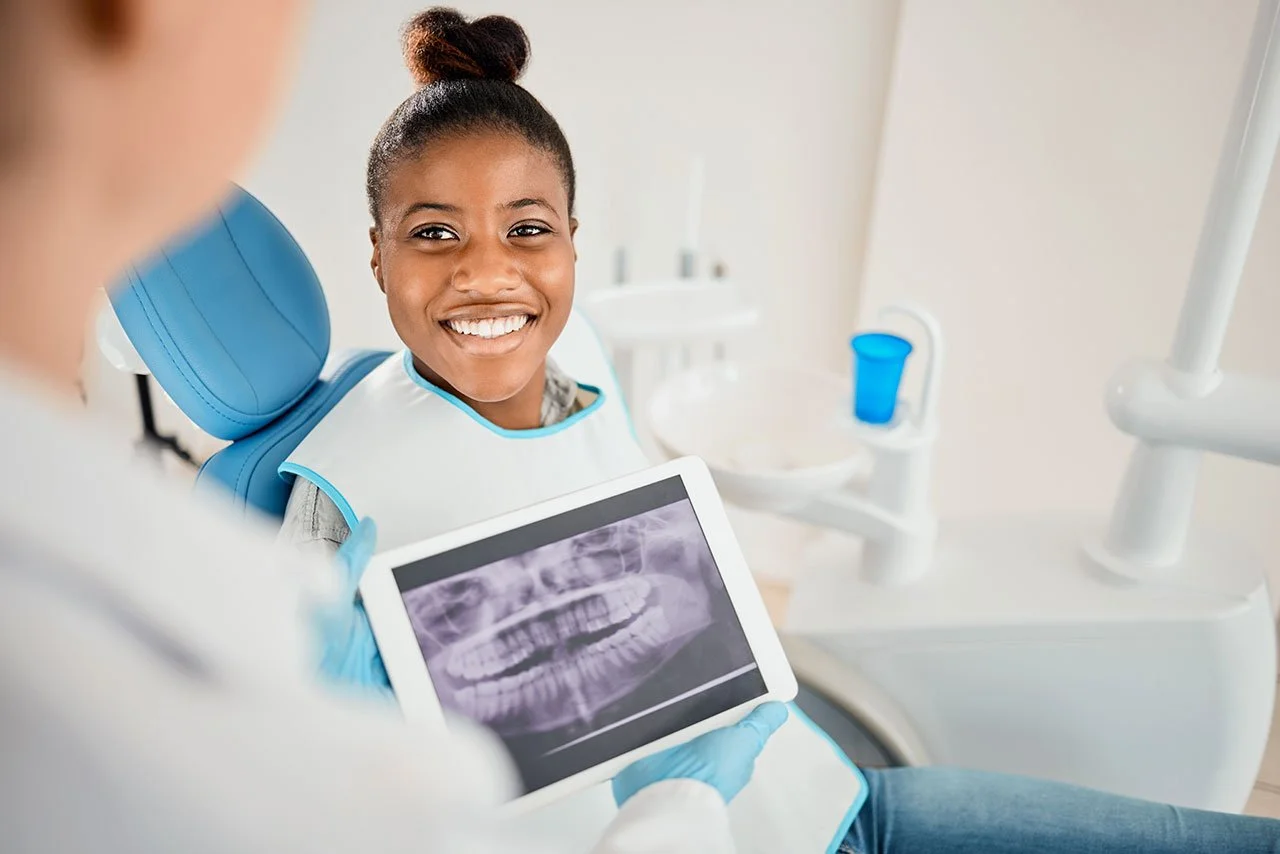
The first step is a detailed evaluation. This includes imaging to assess the condition of your jawbone and determine the best approach for your needs.
During the procedure, the graft material is placed in the area where bone is needed. The site is then protected to allow healing to begin. Local anesthesia is used to keep you comfortable throughout the process.
After the graft is placed, your body begins the natural process of integrating the material. Over time, new bone forms and strengthens the area.
Healing times can vary depending on the size of the graft and your body’s natural healing ability. In many cases, several months are needed to allow the bone to fully develop before moving forward with additional treatments.
Patients who undergo bone grafts in North Seattle often find that the process is more manageable than expected when they understand each step.
Preparing for Dental Implants with Bone Grafting
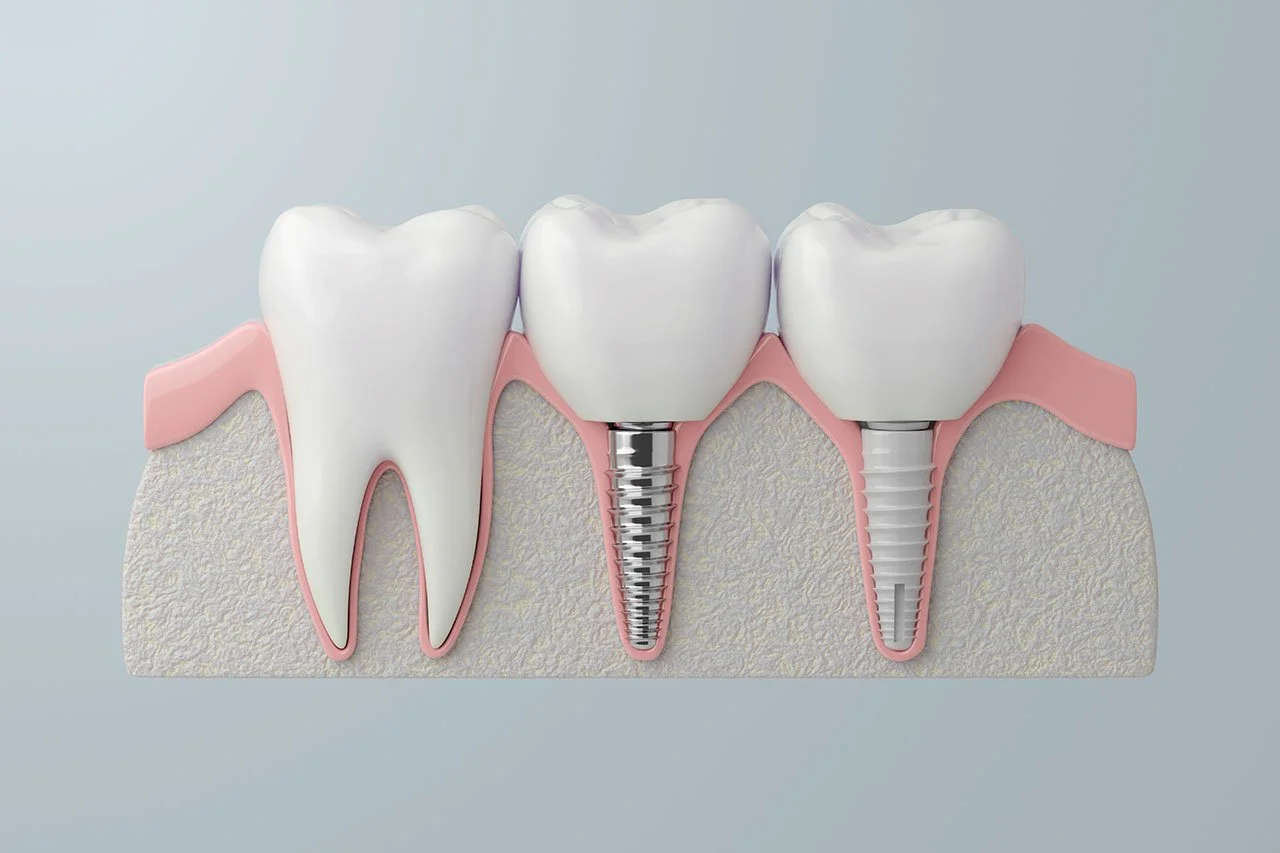
One of the most common reasons for bone grafts in North Seattle is to prepare for dental implants. Implants require a strong and stable foundation to function properly. Without enough bone, the implant may not be secure.
Bone grafting helps rebuild the jaw so it can support an implant with confidence. This creates the conditions needed for long-term success and durability.
In some cases, a graft can be placed at the same time as an extraction to preserve the bone immediately. In other situations, the graft is completed first, followed by a healing period before implant placement.
This preparation step plays a critical role in ensuring that dental implants look natural, feel stable, and last for many years.
What to Expect During Recovery
Recovery after a bone graft is generally smooth and manageable. Most patients experience mild swelling or discomfort for a few days following the procedure.
Following post-procedure instructions helps support proper healing. This may include avoiding certain foods, keeping the area clean, and attending follow-up visits.
It is important to give your body time to heal and build new bone. While this process takes time, it is essential for achieving a strong and lasting result.
Most patients can return to their normal routines relatively quickly, with only minor adjustments during the early stages of healing.
Choosing bone grafts in North Seattle means working with a team that prioritizes comfort and clear guidance throughout the recovery process.
Long-Term Impact on Your Oral Health
Bone grafting is not just about preparing for future procedures. It also plays an important role in maintaining the overall health and structure of your smile.
By rebuilding lost bone, grafting helps preserve the natural shape of your face. This can prevent the sunken appearance that sometimes occurs after tooth loss.
It also supports the stability of surrounding teeth. A strong jawbone helps keep teeth properly aligned and reduces the risk of shifting.
In addition, bone grafting can improve your ability to chew and speak comfortably. These everyday functions depend on a stable foundation, and restoring that support can make a noticeable difference.
Patients who choose bone grafts in North Seattle often find that the benefits extend well beyond the initial procedure.
The Advantages That Make Bone Grafting Worth Considering
Bone grafting offers several important advantages that contribute to both immediate and long-term oral health.
It restores lost bone structure, creating a stable foundation for treatments like dental implants. It helps maintain facial shape, which supports a more natural appearance over time.
It also prevents further bone loss by encouraging the body to regenerate new tissue. This helps protect the overall integrity of your jaw.
Another key advantage is the ability to expand your treatment options. Without sufficient bone, certain procedures may not be possible. Bone grafting opens the door to solutions that can improve both function and aesthetics.
For many patients, bone grafts in North Seattle provide the opportunity to rebuild not just bone, but confidence and comfort as well.
Frequently Asked Questions About Bone Grafts
Is a bone graft painful?
• The procedure is performed with local anesthesia, so you should not feel pain during the process. Some mild discomfort afterward is normal but usually manageable.
How long does it take for a bone graft to heal?
• Healing times vary, but most grafts take several months to fully integrate with your natural bone. This allows for a strong and stable result.
Will I need a bone graft before getting dental implants?
• Not everyone needs a bone graft, but it is recommended when there is not enough bone to support an implant securely.
Are bone grafts safe?
• Bone grafts are a common and well-established procedure. The materials used are carefully selected to support healing and integration.
Can bone loss come back after a graft?
• With proper care and follow-up, the results of a bone graft can be long-lasting. Maintaining good oral hygiene and regular checkups helps protect your results.

Building a Stronger Foundation for Your Smile
Bone grafting is a valuable step for patients who want to restore the strength and structure of their jaw. By rebuilding lost bone, this treatment supports better function, improved appearance, and a wider range of future options. Whether you are preparing for dental implants or addressing bone loss, bone grafts provide a reliable path forward.
If you are considering bone grafts in North Seattle, taking the next step can bring clarity and confidence to your treatment plan. Contact Rain City Dentistry at (206) 526-1985 or visit 9730 3rd Ave NE, Suite 105, Seattle, WA 98115 to schedule your consultation and explore how rebuilding your foundation can lead to a healthier, stronger smile.