
Dental Bridge in North Seattle
A missing tooth can feel like a small gap, but its impact can reach much further than expected. It can change how you chew, how your teeth align, and even how your smile feels day to day. Over time, that empty space can lead to shifting teeth and added strain on the rest of your mouth. Restoring that space is about more than appearance, it is about protecting the balance and function of your entire smile.
A dental bridge offers a reliable and natural-looking way to replace one or more missing teeth. Designed to fill the gap and restore stability, a dental bridge helps bring your smile back into alignment while supporting long-term oral health. With modern materials and techniques, this solution can feel comfortable, look natural, and integrate seamlessly into your daily life.
What Is a Dental Bridge?
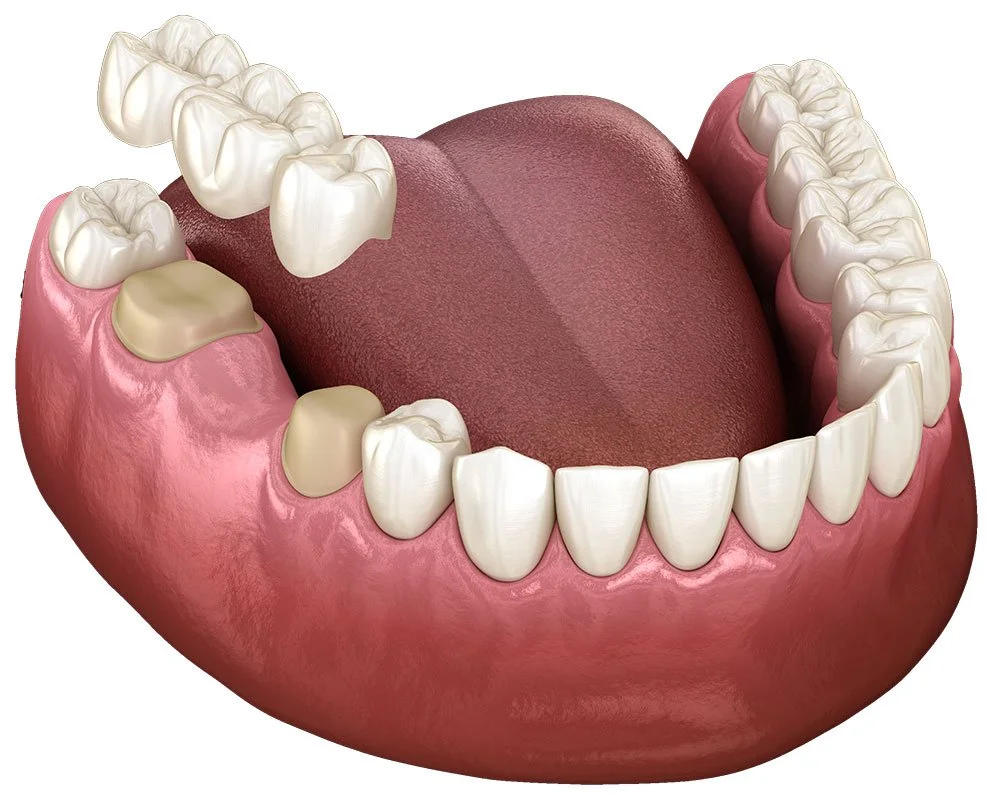
A dental bridge is a fixed restoration that replaces one or more missing teeth by anchoring to the teeth on either side of the gap. These supporting teeth, often called abutment teeth, hold the bridge securely in place. The replacement tooth, known as a pontic, is carefully designed to match your natural teeth in shape and color.
A dental bridge is crafted to restore both appearance and function. Once in place, it allows you to chew normally, speak clearly, and smile with confidence. Because it is fixed, it stays in place without the need for removal or adhesives.
Bridges are often recommended when there are healthy teeth adjacent to the missing space. They provide a stable solution that works with your existing structure to create a complete and balanced smile.
Why Replacing Missing Teeth Matters
When a tooth is lost, it can set off a chain reaction within your mouth. The surrounding teeth may begin to shift into the empty space, which can affect your bite and alignment. This can lead to uneven wear, discomfort, and even additional tooth loss over time.
Chewing can also become less efficient. Missing teeth may make it harder to break down certain foods, which can impact your overall comfort and nutrition.
Speech may be affected as well. Certain sounds rely on proper tooth placement, and gaps can change how words are formed.
A dental bridge helps prevent these issues by restoring the structure of your smile. By filling the gap, it supports proper alignment and helps maintain the natural function of your teeth.
Types of Dental Bridges
There are different types of dental bridges, and the best option depends on your specific needs.
Traditional bridges are the most common. They are supported by crowns placed on the teeth next to the gap. This creates a stable and durable solution that works well in many cases.
Cantilever bridges are used when there is only one supporting tooth available. While less common, they can be effective in certain situations.
Maryland bridges use a different approach by bonding to the back of adjacent teeth. This option may be recommended when preserving tooth structure is a priority.
The Advantages That Make Dental Bridges a Trusted Solution
Dental bridges provide a stable and reliable way to restore missing teeth. One of their most significant advantages is the ability to improve chewing and speaking almost immediately after placement.
They also help maintain the alignment of your remaining teeth. By filling the gap, bridges prevent shifting that can lead to further complications.
Aesthetic improvement is another key benefit. Dental bridges are designed to match your natural teeth, creating a seamless and balanced appearance.
They also offer a relatively quick treatment timeline compared to some other options. This allows you to restore your smile without a lengthy process.
Patients who choose a dental bridge often appreciate how these benefits come together to create a practical and effective solution.
How long does a dental bridge last?
• With proper care, a dental bridge can last many years. Regular checkups and good oral hygiene help extend its lifespan.
Is getting a dental bridge painful?
• The process is designed to be comfortable. Local anesthesia is used during preparation, and most patients experience minimal discomfort.
Can I eat normally with a dental bridge?
• Yes, a dental bridge restores your ability to chew effectively. It is best to start with softer foods and gradually return to your normal diet.
Do dental bridges look natural?
• Dental bridges are crafted to match the color and shape of your natural teeth, creating a seamless appearance.
How do I clean under a dental bridge?
• Special flossing tools or techniques may be recommended to clean beneath the bridge and keep the area healthy.
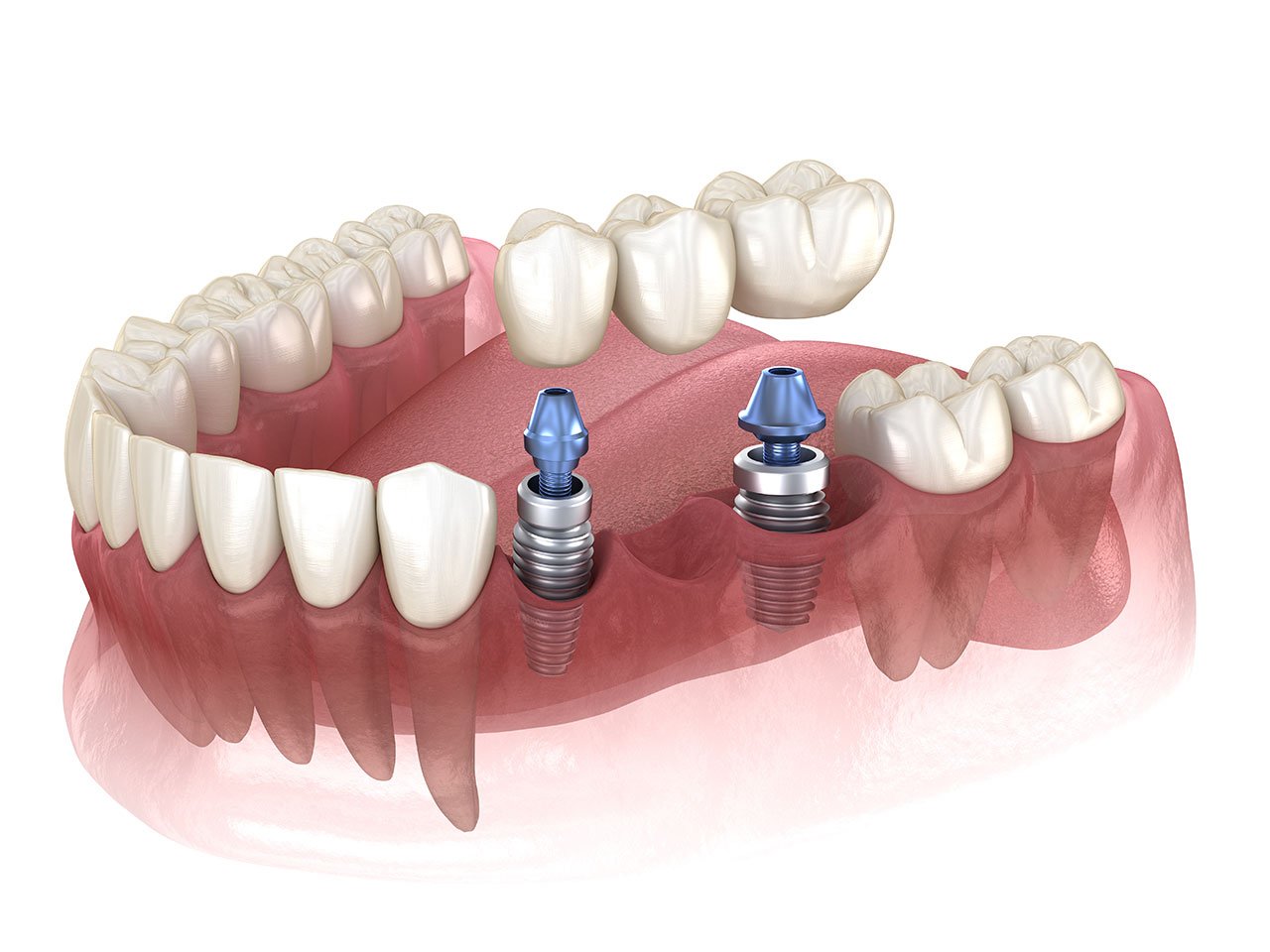
Dental implant bridges offer a stable, long-lasting solution for replacing multiple missing teeth in a row. Unlike traditional bridges that rely on neighboring teeth for support, implant-supported bridges are anchored directly to dental implants placed in the jawbone. This creates a secure foundation that helps restore chewing ability, speech, and overall comfort while preserving the health of surrounding teeth. Implant bridges are designed to look and feel natural, blending seamlessly with your smile while helping maintain jawbone health and facial structure. For many patients, dental implant bridges provide an excellent balance of durability, function, and aesthetics, allowing them to enjoy a confident, complete smile for years to come.
Each type of dental bridge is carefully selected based on factors such as the location of the missing tooth, the condition of surrounding teeth, and your long-term goals. A personalized plan ensures that the final result is both functional and aesthetically pleasing.
The Dental Bridge Process
Getting a dental bridge in North Seattle is a step-by-step process designed to ensure a precise fit and long-lasting results.
The first visit involves preparing the supporting teeth. This may include shaping them to accommodate the crowns that will hold the bridge in place. Impressions or digital scans are then taken to create a custom restoration.
A temporary bridge may be placed to protect the area while the final bridge is being crafted. This helps maintain comfort and function during the process.
Once the permanent bridge is ready, it is carefully fitted and adjusted. The goal is to ensure that it feels comfortable, aligns properly with your bite, and blends naturally with your surrounding teeth.
After placement, the bridge becomes a stable part of your smile, allowing you to return to your normal routine with confidence.
What to Expect After Getting a Dental Bridge
Adjusting to a new dental bridge is typically a smooth process. Most patients find that their bridge feels natural within a short period of time.
You may notice a slight difference in how your bite feels at first, but this usually resolves as you become accustomed to the restoration. Eating and speaking should feel comfortable once the adjustment period passes.
Maintaining good oral hygiene is essential. Cleaning around the bridge and supporting teeth helps keep the area healthy and extends the life of the restoration.
Regular dental visits allow for monitoring and adjustments if needed. With proper care, a dental bridge can provide reliable support for many years.
Comparing Dental Bridges to Other Options
When replacing missing teeth, there are several options to consider, including dental implants and removable dentures.
Dental implants are placed directly into the jawbone and function independently of surrounding teeth. They are often considered a long-term solution, but they may require additional procedures and time for healing.
Dentures are removable and can replace multiple teeth, but they may not offer the same level of stability as a fixed option.
A dental bridge offers a balance between these options. It provides a fixed solution that restores function and appearance without the need for surgery. For many patients, this makes it a practical and effective choice.
Caring for Your Dental Bridge
Taking care of your dental bridge is an important part of maintaining your oral health. Daily brushing and flossing help keep the supporting teeth and surrounding gums healthy.
Special flossing techniques or tools may be recommended to clean beneath the bridge. This helps prevent buildup and reduces the risk of gum issues.
Avoiding habits such as chewing on hard objects can help protect the bridge from damage. Being mindful of your oral health routine supports the longevity of your restoration.
With consistent care, a dental bridge can remain a dependable part of your smile for many years.
Frequently Asked Questions About Dental Bridges
Restoring Balance and Confidence to Your Smile
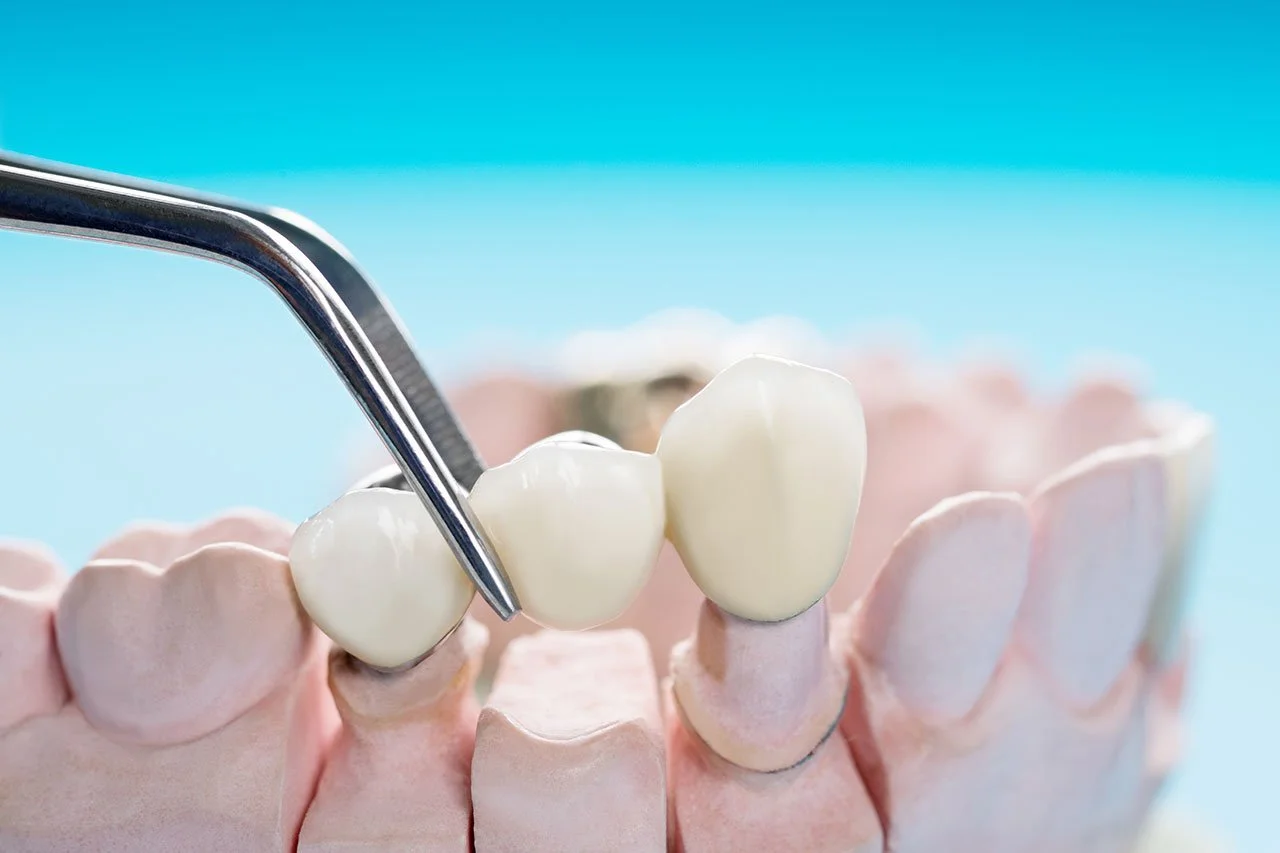
A missing tooth does not have to change how your smile looks or functions. A dental bridge offers a dependable way to restore that missing space while protecting the health of your surrounding teeth. With a comfortable fit and natural appearance, it allows you to move forward with confidence and ease.
If you are ready to explore how a dental bridge in North Seattle can restore your smile and improve your daily comfort, contact Rain City Dentistry at (206) 526-1985 or visit 9730 3rd Ave NE, Suite 105, Seattle, WA 98115 to schedule your consultation and take the next step toward a complete, healthy smile.