
Tooth Extraction in
North Seattle
There are moments when discomfort in your mouth stops being something you can ignore and becomes something you need to address. A persistent ache, swelling that will not go away, or a tooth that feels unstable can all signal that something deeper is happening. While saving natural teeth is always the goal, there are times when removing a tooth is the healthiest and most effective way to protect your overall oral health.
For patients considering tooth extraction in North Seattle, the idea can feel intimidating at first. However, modern dental care focuses on making the process as comfortable, efficient, and reassuring as possible. With the right approach, a tooth extraction can relieve pain, prevent further complications, and create a path toward long-term health and comfort.

What Is a Tooth Extraction and When Is It Needed?
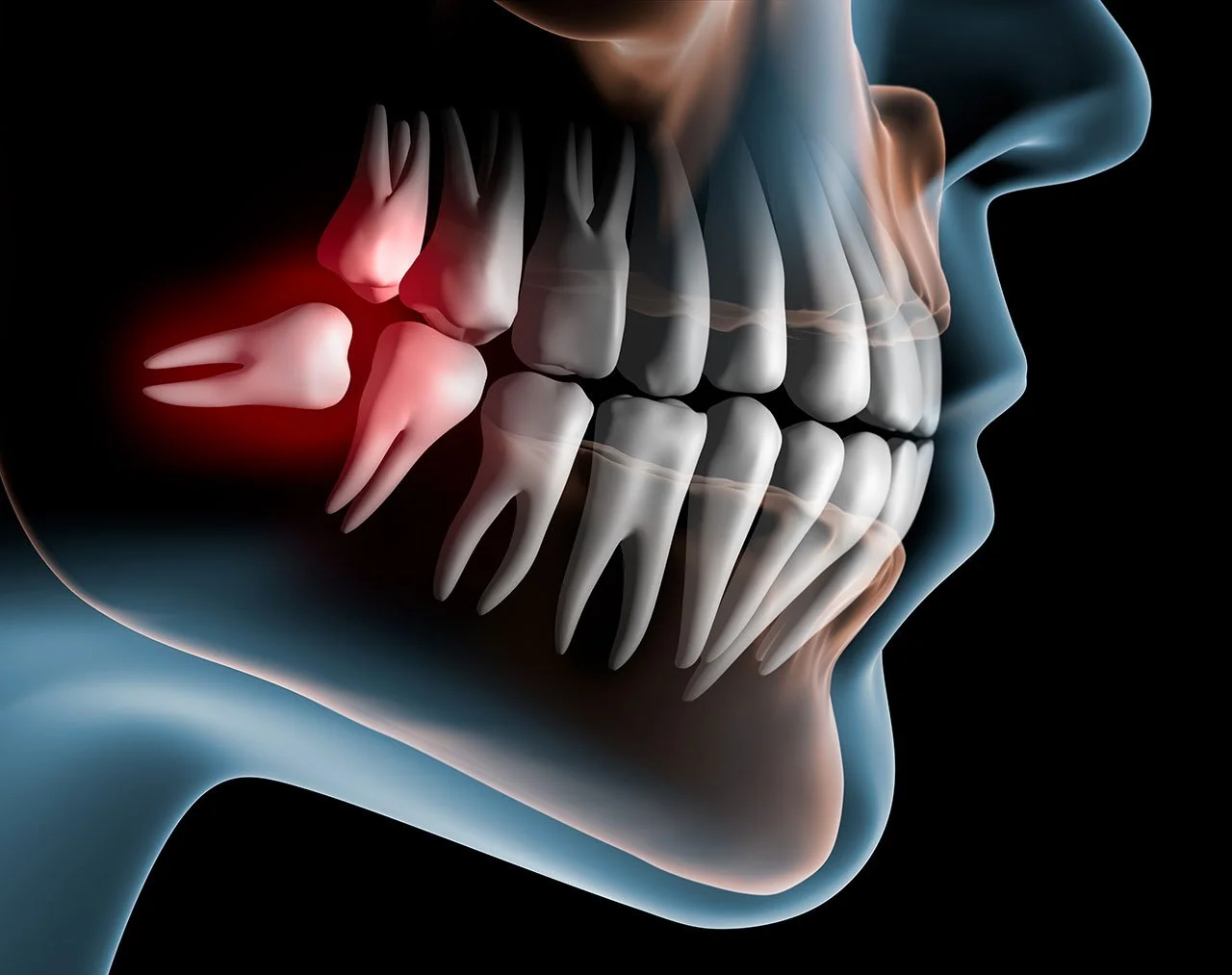
A tooth extraction is the removal of a tooth from its position in the mouth. While this may sound like a last resort, it is often a carefully considered decision made to protect your oral health.
There are several reasons why a tooth extraction in North Seattle may be recommended. Severe decay is one of the most common causes. When a cavity becomes too large and compromises the structure of the tooth, it may no longer be possible to restore it with a filling or crown.
Infection is another important factor. If bacteria reach the inner part of the tooth and cannot be fully treated, removing the tooth may be necessary to stop the spread of infection. Advanced gum disease can also weaken the support around a tooth, making extraction the best option.
Crowding is another situation where extractions are helpful. In some cases, removing one or more teeth creates space that allows the remaining teeth to align properly. This is often part of orthodontic planning.
Understanding the reason behind a recommended extraction can help you feel more confident about moving forward with treatment.
Types of Tooth Extractions
Not all extractions are the same, and the approach depends on the condition of the tooth and its position.
A simple extraction is performed when the tooth is visible and can be removed without extensive intervention. This type of procedure is typically straightforward and completed with local anesthesia to keep you comfortable.
A surgical extraction is used when a tooth is not easily accessible, such as when it has broken at the gum line or has not fully emerged. This process may involve gently accessing the tooth through the surrounding tissue.

Both types of tooth extraction in North Seattle are performed with careful attention to comfort and precision. The goal is always to remove the tooth in a way that minimizes discomfort and supports a smooth recovery.
Signs You May Need a Tooth Extraction
It is not always obvious when a tooth needs to be removed, but there are several signs that should not be ignored.
Persistent pain is often the most noticeable indicator. If discomfort continues despite treatment, it may be a sign that the tooth is no longer viable.
Swelling in the gums or jaw can indicate infection or inflammation. This may be accompanied by sensitivity to pressure or difficulty chewing.
A tooth that feels loose or unstable can also signal underlying issues, particularly if gum disease is present. In some cases, visible damage such as cracks or fractures may make extraction the best option.
If you experience any of these symptoms, seeking evaluation for tooth extraction in North Seattle can provide clarity and help prevent further complications.
What to Expect During the Extraction Process
Understanding the process can make a tooth extraction feel far less intimidating. The experience is designed to be as comfortable and straightforward as possible.
The first step is a thorough examination. This allows for careful planning and ensures that the procedure is tailored to your specific needs.
During the extraction, local anesthesia is used to numb the area. This means you should not feel pain during the procedure, though you may notice some pressure.
The tooth is then gently loosened and removed. The approach depends on the type of extraction, but the focus remains on minimizing discomfort and protecting surrounding tissue.
Once the tooth is removed, the area is cleaned, and instructions are provided to support healing. Most patients are surprised by how manageable the experience feels when they know what to expect.
Recovery After Tooth Extraction
Recovery is an important part of the process, and proper care helps ensure that healing progresses smoothly.
After a tooth extraction in North Seattle, it is normal to experience some mild discomfort or swelling. This typically improves within a few days. Following post-procedure instructions helps reduce the risk of complications.
Rest is important during the initial healing period. Avoiding strenuous activity allows your body to focus on recovery. Eating soft foods and staying hydrated can also support the healing process.

Keeping the area clean is essential, but it is important to follow specific guidance to avoid disrupting the healing site. Gentle care helps protect the area and promotes faster recovery.
Most patients find that they can return to their normal routine relatively quickly, with full healing continuing over time.
Replacing a Missing Tooth After Extraction
Removing a tooth is often just one step in a larger plan for maintaining your oral health. Replacing a missing tooth can help restore function and prevent changes in your bite.
Options such as dental implants, bridges, or dentures may be recommended depending on your needs. Each option offers unique benefits, and a personalized plan ensures that the solution aligns with your goals.
Dental implants are a popular choice because they provide a stable and long-lasting replacement. Bridges offer another effective option, particularly when neighboring teeth can provide support. Dentures may be recommended for multiple missing teeth.
Discussing these options after a tooth extraction in North Seattle helps create a clear path forward and ensures that your smile remains functional and complete.
Why Removing a Tooth Can Be the Right Choice
It may seem counterintuitive, but removing a problematic tooth can often improve your overall oral health. When a tooth is severely damaged or infected, keeping it in place can lead to ongoing pain and additional complications.
Extraction can eliminate the source of discomfort and prevent issues from spreading to other areas. This can protect surrounding teeth, reduce the risk of infection, and create a healthier environment in your mouth.
Another advantage is the opportunity to restore the area with a more stable and functional solution. This can improve both comfort and appearance over time.
Choosing tooth extraction in North Seattle is often a proactive step that supports long-term health and well-being.
A Closer Look at the Benefits of Tooth Extraction
Tooth extraction can provide relief from persistent pain, allowing you to return to normal activities without discomfort. It can also stop the spread of infection, which protects both your oral health and your overall health.
In cases of crowding, extraction can create the space needed for proper alignment. This can improve both the function and appearance of your smile.
Removing a damaged tooth can also make it easier to maintain good oral hygiene. Areas that were previously difficult to clean may become more accessible, reducing the risk of future problems.
For many patients, the benefits of tooth extraction in North Seattle extend beyond immediate relief and contribute to long-term oral health and confidence.
Frequently Asked Questions About Tooth Extraction
Is a tooth extraction painful?
• The procedure itself is not painful because the area is numbed with local anesthesia. Some mild discomfort may occur afterward, but it is usually manageable and temporary.
How long does it take to heal?
• Initial healing typically occurs within a few days, while complete healing can take a few weeks. Following aftercare instructions helps support a smooth recovery.
What should I eat after an extraction?
• Soft foods such as yogurt, soup, and mashed potatoes are recommended during the early stages of recovery. Gradually returning to a normal diet is usually possible as healing progresses.
Can I return to work the same day?
• Many patients can return to light activities within a day, but it is best to avoid strenuous tasks until you feel comfortable.
Will I need to replace the extracted tooth?
• In many cases, replacing the tooth is recommended to maintain proper function and alignment. Your dental team can guide you through the best options for your situation.
Taking the Next Step Toward Relief and Better Oral Health
Tooth extraction is sometimes the most effective way to resolve pain, protect your oral health, and create space for a healthier future. With modern techniques and a patient-focused approach, the process is designed to be comfortable and supportive from start to finish.
If you are experiencing discomfort or have been advised to consider tooth extraction in North Seattle, taking the next step can bring clarity and relief. Contact Rain City Dentistry at (206) 526-1985 or visit 9730 3rd Ave NE, Suite 105, Seattle, WA 98115 to schedule your consultation and move forward with care that prioritizes your comfort and long-term health.